0086 574 87739122


 De: Ethan
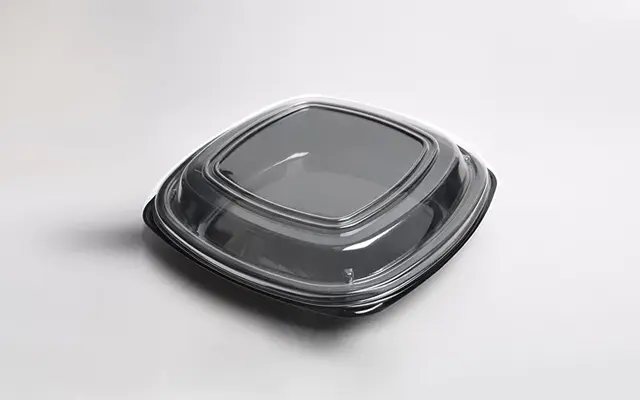
Decizia între tăvile alimentare de unică folosință biodegradabile și nebiodegradabile pentru uz comercial în alimentație depinde în primul rând de echilibrare responsabilitatea de mediu, costul operațional, durabilitatea și performanța în materie de siguranță alimentară . În cele mai multe medii moderne de catering, tăvile biodegradabile sunt preferate pentru afacerile bazate pe durabilitate, în timp ce tăvile nebiodegradabile rămân utilizate pe scară largă în scenarii de livrare sensibile la costuri, cu umiditate ridicată sau pe distanțe lungi, datorită stabilității structurale superioare și rezistenței la umiditate.
În termeni practici, întreprinderile care utilizează tăvi de unică folosință pentru alimente trebuie să evalueze nu numai tipul de material, ci și factorii de performanță din lumea reală, cum ar fi toleranța la căldură, rezistența la grăsimi, eficiența stivuirii și conformitatea cu reglementările. O selecție bine informată poate reduce risipa alimentară cu până la 18–25% în operațiunile de livrare și îmbunătățirea satisfacției clienților printr-o mai bună prezentare a alimentelor și menținerea temperaturii.
Una dintre cele mai semnificative diferențe dintre tăvile alimentare de unică folosință biodegradabile și nebiodegradabile constă în compoziția materialului și comportamentul lor de descompunere. Tăvile biodegradabile sunt de obicei realizate din fibre pe bază de plante, pastă turnată sau biopolimeri compostabili, în timp ce versiunile nebiodegradabile folosesc adesea materiale plastice, cum ar fi polipropilena sau polistirenul.
În condiții de compostare controlată, tăvile biodegradabile de unică folosință pentru alimente se pot descompune în interior 90 până la 180 de zile , reducând în mod semnificativ sarcina depozitului de deșeuri. În schimb, tăvile nebiodegradabile pot persista pt 300–500 de ani , contribuind la acumularea de mediu pe termen lung.
Din punct de vedere al durabilității, multe companii de catering se orientează către opțiuni biodegradabile pentru a răspunde presiunii reglementare și a așteptărilor clienților, în special pe piețele urbane unde reglementările privind deșeurile alimentare sunt mai stricte.
Durabilitatea este un factor critic atunci când alegeți tăvi de unică folosință pentru alimente în alimentația comercială. Tăvile nebiodegradabile oferă, în general, o rezistență mai mare la îndoire, crăpare și deformare, în special în cazul meselor grele sau bogate în lichide. Acest lucru le face potrivite pentru livrare la distanță lungă și servicii tip bufet cu încărcătură mare.
Tăvile biodegradabile, în timp ce se îmbunătățesc rapid în design, pot experimenta Rezistență la compresiune cu 15-30% mai mică în comparație cu alternativele pe bază de plastic, în special atunci când sunt expuse la umiditate sau abur.
Cu toate acestea, tăvile pentru alimente de unică folosință cu fibre turnate armate mai noi includ acum acoperiri rezistente la apă care îmbunătățesc semnificativ integritatea structurală, reducând decalajul de performanță în multe cazuri de utilizare.
Rezistența la căldură este esențială în mediile de catering în care mesele calde sunt ambalate imediat după gătire. Tăvile de unică folosință nebiodegradabile pentru alimente rezistă de obicei la temperaturi de până la 120°C , făcându-le potrivite pentru reîncălzirea cu microunde și aplicații de menținere la cald.
Tăvile biodegradabile funcționează de obicei în siguranță până la 90–100°C , în funcție de densitatea fibrei și de acoperire. Expunerea excesivă la căldură poate cauza înmuiere sau deformare minoră, care poate afecta calitatea prezentării.
Din perspectiva siguranței alimentelor, ambele tipuri trebuie să respecte standardele de migrare care limitează transferul chimic în alimente. Tăvile certificate de înaltă calitate reduc riscul de contaminare la mai jos 0,01 mg/kg niveluri de migrare in conditii reglementate.
În operațiunile de catering din lumea reală, rezistența la umiditate și ulei se numără printre cei mai decisivi factori de performanță. Tăvile de unică folosință non-biodegradabile pentru alimente oferă proprietăți excelente de barieră, prevenind scurgerile chiar și în cazul mâncărurilor bogate în grăsimi sau pe bază de lichid.
Alternativele biodegradabile pot necesita acoperiri de suprafață sau laminare pentru a obține o rezistență similară. Fără tratament, pot absorbi umezeala din interior 10–20 de minute , care poate compromite integritatea alimentelor.
De exemplu, în meniurile de catering pe bază de supă sau curry, tăvile biodegradabile acoperite pot reduce incidentele de scurgere cu până la 60% comparativ cu tăvile din fibre netratate.
Costul rămâne un factor major care influențează adoptarea tăvilor de unică folosință pentru alimente în alimentația comercială. Tăvile nebiodegradabile sunt de obicei 20-40% mai ieftin pe unitate, făcându-le atractive pentru operațiuni de mare volum, cu marje strânse.
Cu toate acestea, tăvile biodegradabile pot oferi beneficii indirecte ale costurilor, inclusiv taxe reduse de gestionare a deșeurilor și o percepție îmbunătățită a mărcii, ceea ce se poate traduce în rate mai mari de retenție a clienților.
Marile companii de catering adoptă adesea o strategie hibridă: folosirea tăvilor biodegradabile pentru mese premium sau etichetate ecologic și tăvilor nebiodegradabile pentru ofertele în vrac sau la buget.
Eficiența depozitării este un alt factor important în selectarea tăvilor de unică folosință pentru alimente. Tăvile nebiodegradabile au adesea o stabilitate superioară de stivuire, permițând până la Cu 30% mai multe unități pe metru cub în comparație cu alternativele de fibre turnate mai voluminoase.
Tăvile biodegradabile, deși sunt puțin mai voluminoase, sunt adesea proiectate cu caracteristici de cuib care îmbunătățesc densitatea de depozitare și reduc costurile de transport.
În bucătăriile de catering cu volum mare, designul eficient al ambalajului poate reduce costurile de logistică cu aproximativ 12–18% anual.
Reglementările privind tăvile de unică folosință pentru alimente sunt înăsprite la nivel global, multe regiuni introducând interdicții sau taxe pe materialele plastice nereciclabile. Acest lucru a accelerat adoptarea materialelor biodegradabile în sectoarele de catering comercial.
Afacerile care trec devreme la soluții biodegradabile obțin adesea avantaje competitive în contractele de achiziții publice și programele alimentare certificate ecologic.
Datele de piață sugerează că cererea de ambalaje biodegradabile pentru catering este în creștere cu o rată de 8-12% anual , depășind semnificativ alternativele tradiționale din plastic.
| Factorul | Tavi Biodegradabile | Tavi nebiodegradabile |
|---|---|---|
| Timp de descompunere | 90-180 de zile | 300–500 de ani |
| Cost pe unitate | Mai sus | 20-40% mai mic |
| Rezistență la căldură | Până la 100°C | Până la 120°C |
| Rezistenta la scurgeri | Moderat (se cere acoperit) | Înalt |
| Impactul asupra mediului | Scăzut | Înalt |
Alegerea tăvilor de unică folosință pentru alimente ar trebui să fie ghidată de prioritățile operaționale. O abordare echilibrată asigură ambele eficienta costurilor si responsabilitatea de mediu menținând în același timp standardele de calitate a alimentelor în mediile de catering comercial.
.jpg?imageView2/2/w/600/h/600/format/webp/q/75)
Materials and Sourcing CPLA Plastic: Heat Resistance, Compostability and the Sourcing Details That ...
.jpg?imageView2/2/w/600/h/600/format/webp/q/75)
Corn Starch Bioplastic: What Holds Up and What Fails Corn starch is neither a wonder material nor a...

0086 574 87739122
Copyright © Ningbo Linhua Plastic Co., Ltd. All Rights Reserved.


Post Comentariu